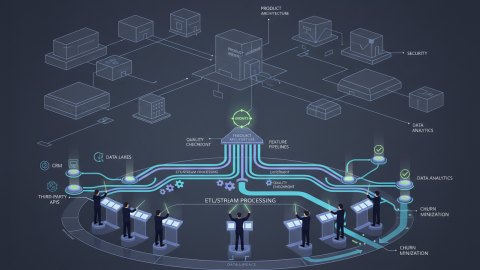
Imagine a B2B SaaS platform, initially successful in acquiring users, now facing a concerning trend: early churn. Users are signing up, completing initial onboarding, but failing to consistently engage after the first month. Despite positive feedback on initial product features, sustained usage drops dramatically. This scenario necessitates a deep dive into how the product is architected to foster long-term retention. I need to understand *why* users are leaving and redesign the application to proactively address these pain points.
Detection Logic: Identifying Pain Points with Data
The key to reversing early churn is analyzing user behavior through comprehensive data collection. I use a combination of event tracking, user surveys, and direct feedback to pinpoint areas of friction. It involves correlating usage patterns with reported issues, survey results, and churn reasons. The goal is not just to identify *what* is happening but *why* it's occurring. For example,:
- Event Tracking: Monitor feature usage frequencies, session durations, and navigation paths.
- User Surveys: Collect qualitative data on user satisfaction, pain points, and unmet needs.
- Customer Support Analysis: Review support tickets for recurring issues.
This analysis helps identify which features are underutilized, which workflows are cumbersome, and which areas of the product need improvement.
Architecture Diagram Explanation: The Data-Driven Feedback Loop
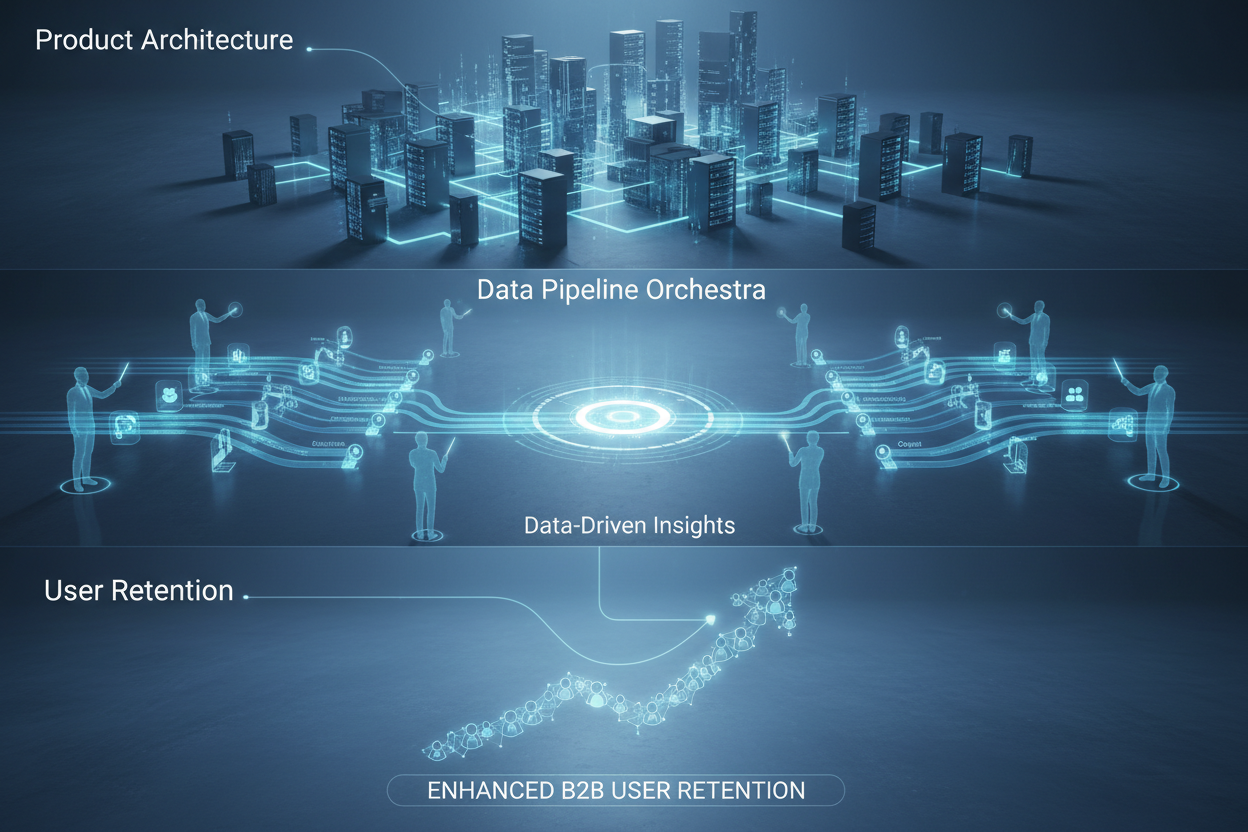
To address the findings from the detection logic, I implement a data-driven feedback loop within the product architecture. This loop is composed of three key components:
- Data Collection: Implement robust event tracking and logging mechanisms to gather granular data on user behavior.
- Data Analysis: Analyze the collected data to identify patterns, trends, and areas of friction.
- Product Iteration: Use the insights from the data analysis to inform product development and prioritize improvements.
This iterative process ensures that the product continuously evolves based on user needs and feedback. To maintain a solid and secure integration, consider the points made in Secure API integration for enterprise systems: a practical architecture guide.
Checklist: Designing for User Retention
- Implement comprehensive event tracking.
- Regularly collect user feedback through surveys and interviews.
- Analyze data to identify patterns and trends.
- Prioritize product improvements based on user feedback.
- Continuously monitor user behavior and adjust the product accordingly.
Code Samples: Example Data Collection Implementation
Below is a simplified example of event tracking code in Python:
import analytics

analytics.write('User Signed Up', {
 'email': '[email protected]',
 'account_type': 'premium'
})

def track_usage_event(event_name, properties):
 analytics.track(user_id='user123', event=event_name, properties=properties)

track_usage_event('Feature X Used', {'times_used': 1})
This example showcases how to track user events and associated properties, providing valuable data for analysis. I ensure that the events are well-defined and contribute meaningful insights into understanding user behavior within our core applications. A clear understanding of this data also supports Enterprise integration playbooks: decoding myths for B2B success, and enables effective data management when migrating legacy code.
Validation Strategy: Measuring Retention Improvement
Once the product architecture is updated with a data-driven feedback loop, I carefully track metrics to ensure its efficacy. Key metrics to monitor include:
- User Retention Rate: Percentage of users who remain active over a specific period.
- Churn Rate: Percentage of users who cancel their subscriptions.
- Feature Usage: Frequency and depth of feature usage.
- User Engagement: Session durations, page views, and interaction rates.
An A/B testing framework is used to iterate on the improved design when needed, so the changes are statistically significant. I use time series analysis to analyze trends to detect regressions. Learn more about building resilient systems from Security-By-Design: A Case Study in Building Resilient Digital Products.
Summary: Data-Driven Architecture for Retention
By implementing a data-driven feedback loop within the product architecture, B2B SaaS companies can effectively address early churn and improve user retention. Continuous monitoring of user behavior enables informed decisions about product development, prioritization of improvements, and ultimately, the creation of a product that meets user needs and drives long-term engagement. If you're ready to refine your product and improve customer retention, consider exploring our services.
Related reads
Relevant offers
If this article matches your task, here are two offers you can use to move from insight to implementation without extra discovery.