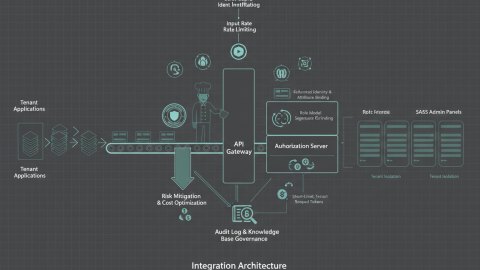
As we scale Telegram-based partner automation stacks to support enterprise clients, a proactive security control uplift is crucial. Enterprise clients bring stringent security requirements that cannot be addressed retroactively. Applying a structured delivery process audit enables early detection and remediation of security vulnerabilities, preventing costly rework and potential security breaches. This article outlines a template and process for conducting such audits.

Incident Timeline: Real-World Scenario Modeling for Threat Landscape
Consider a scenario where a new feature in our Telegram partner onboarding flow, designed for automated account provisioning, inadvertently exposes sensitive partner data logging to an unencrypted channel. Modeling the incident timeline helps highlight the value of proactive audits:
- T0: Feature development begins. Initial security considerations are brief due to time constraints.
- T1: Feature is deployed to a staging environment with limited testing, focusing on functionality rather than security.
- T2: Enterprise onboarding commences. Increased data volume exposes the vulnerability under sustained load.
- T3: Data breach is detected after an external audit reveals the unencrypted logging.
- T4: Emergency remediation: Feature rollback, code review, re-deployment.
- T5: Extensive security audit of entire partner onboarding stack.
This timeline demonstrates the reactive nature of security measures. Proactive audits can preempt this scenario.
Detection Moment: Defining Audit Triggering Criteria
Audits should be triggered based on well-defined criteria, not ad-hoc intuition. Examples include:
- Pre-release: Before any new feature or significant code change is deployed to production.
- Partner Onboarding: Before onboarding a new enterprise partner with specific security requirements.
- Regular Interval: Scheduled audits on a quarterly or semi-annual basis.
- Compliance Mandates: Ad-hoc audits triggered by new regulatory compliance requirements.
These triggers ensure audits become an integral part of the development lifecycle.
Geo Trace Reconstruction: Mapping Data Flows and Access Control
Reconstruct data flow, user permissions and access control policies for the Telegram partner network. Focus on data residency mandates and security policies.
A key part of the audit process is tracing the geographical flow of data. This involves mapping where data originates, where it's stored, how it's processed, and where it's ultimately consumed. This data flow reconstruction provides a visual model that is instrumental in identifying potential vulnerabilities and compliance issues, especially around data residency.
Delivery Process Audit Report Template
The audit report should include the following sections:
- Executive Summary: High-level overview of the audit findings and recommendations.
- Scope: Definition of the systems, features, and data covered in the audit.
- Methodology: Description of the audit process and tools used.
- Findings: Detailed description of identified vulnerabilities, including severity level (High, Medium, Low).
- Recommendations: Specific actions to remediate the identified vulnerabilities.
- Risk Assessment: Evaluation of the potential impact of each vulnerability on the business.
- Remediation Plan: Timeline and resource allocation for implementing the recommendations.
- Sign-off: Approvals from relevant stakeholders (Security, Engineering, Compliance).
Fix Rollout: Prioritization Based on Risk Modeling Principles
Fixes must be rolled out based on risk priority. A risk model might look like this:
- High Risk: Immediate action required (within 24 hours). E.g., Data exposure in unencrypted channels.
- Medium Risk: Action required within one week. E.g., Insufficient access control policies.
- Low Risk: Action required within one month. E.g., Outdated dependencies with known vulnerabilities.
Use a Kanban backlog to reflect the prioritization of the identified security tasks. Prioritizing correctly enables timely and adequate control.
Ensure your CI/CD pipeline reflects the severity of the vulnerabilities, as described. Refer to our article on API release management automation for reference.
Long-Term Controls: Embedding Security into the Software Development Lifecycle
To prevent future incidents, it's essential to embed security into the software development lifecycle (SDLC). Consider the following controls:
- Automated Security Scanning: Integrate static and dynamic analysis tools into the CI/CD pipeline.
- Code Reviews: Mandate security-focused code reviews for all code changes.
- Security Training: Provide regular security training for developers on secure coding practices.
- Threat Modeling: Conduct threat modeling sessions for new features and applications.
- Penetration Testing: Perform regular penetration testing to identify vulnerabilities.
- Security Champions: Designate security champions within development teams to promote security awareness.
Lessons Learned: Continuous Improvement
After each audit and incident, conduct a post-mortem analysis to identify areas for improvement. Key questions to consider:
- What caused the vulnerability?
- How could it have been prevented?
- What process changes are needed to prevent similar incidents in the future?
- How can the audit process be improved?
The lessons learned should be documented and shared across the organization to foster a culture of continuous improvement.
Conclusion
By implementing a structured delivery process audit report template, we can significantly improve the security posture of our Telegram partner network automation stacks, especially as we onboard enterprise clients. This proactive approach not only mitigates security risks but also fosters client trust and reduces the overall cost of platform operations. Improve your software architecture and ensure long-term platform stability with our expert consulting services. We provide high-quality services which are optimized based on business needs. Explore our projects.
Related reads
Relevant offers
If this article matches your task, here are two offers you can use to move from insight to implementation without extra discovery.
Analytics and event implementation audit
I verify whether current analytics can be trusted and where key signals are lost for marketing and sales.
Release-readiness audit before launch
I assess whether a product or website is truly ready for launch so release day is not a lottery.